The Ultimate Guide to Scalloping on Cape San Blas
Everything you need to know for an unforgettable family adventure—from what to bring to where to launch your boat.
Scallop season is one of my favorite times of year on Cape San Blas. Families spend the day snorkeling in the crystal-clear waters of St. Joseph Bay searching for bay scallops, then head back to the house to clean their catch, grill dinner, and watch another unforgettable sunset. If you've never been scalloping before, don't worry—it's surprisingly easy, and it's one of the most fun family activities you'll experience on Florida's Forgotten Coast.
Whether you're visiting Cape San Blas for the first time or returning for another scallop season, this ultimate guide to scalloping on Cape San Blas covers everything you need to know—from licenses and bag limits to boat rentals, charter captains, and my favorite tips for a successful day on St. Joseph Bay.
Cape San Blas Scallop 2026 Season at a Glance
📅 Season: August 16 – September 24 2026
📍 Best Location: St. Joseph Bay
⏰ Best Time: Early morning
🤿 Skill Level: Beginner-friendly
👨👩👧👦 Great for Families: Yes
🎣 License Required: Yes (unless exempt)
🚤 Best Access: Boat or charter
What is Scalloping?
If you've never been scalloping before, imagine an underwater treasure hunt.
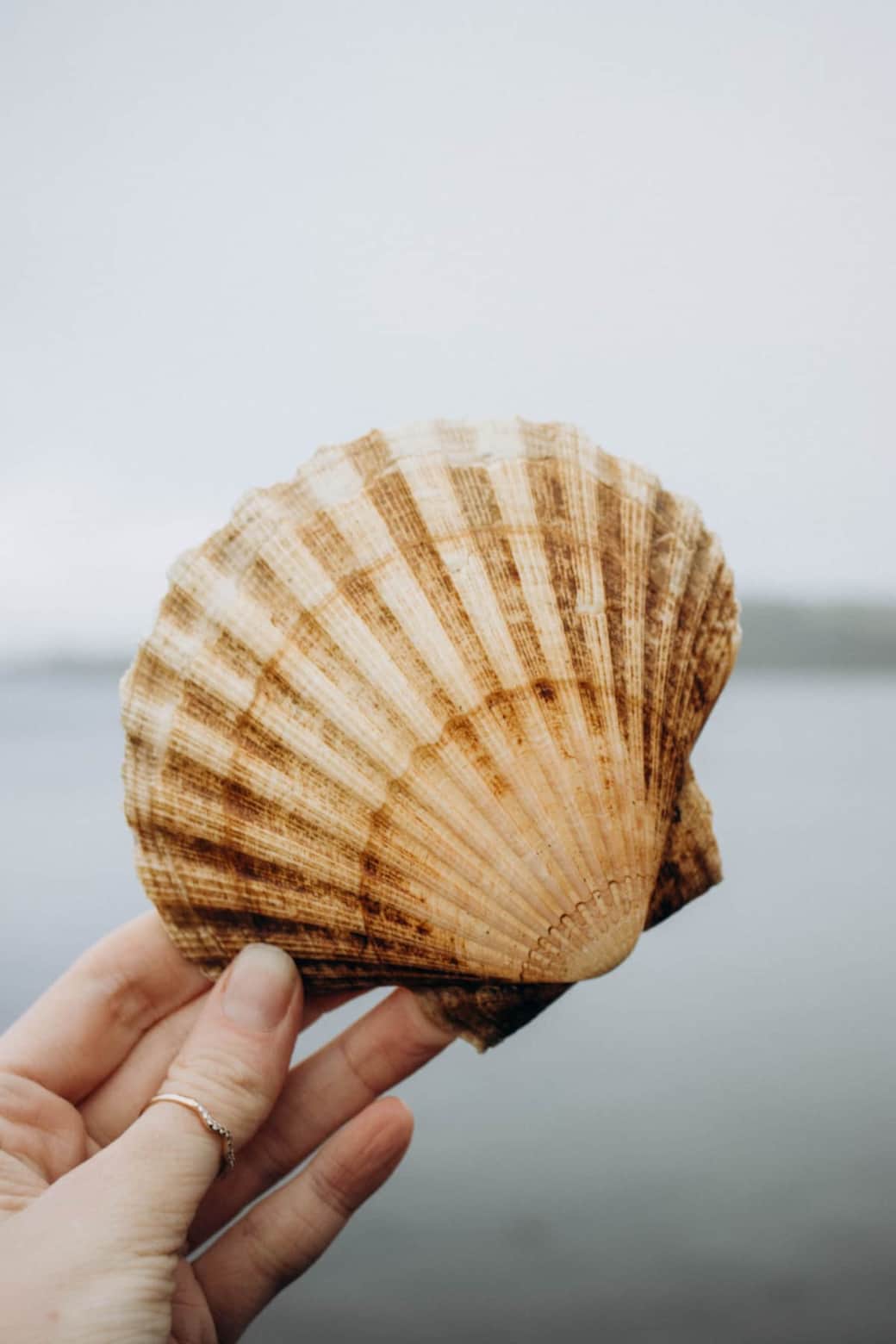
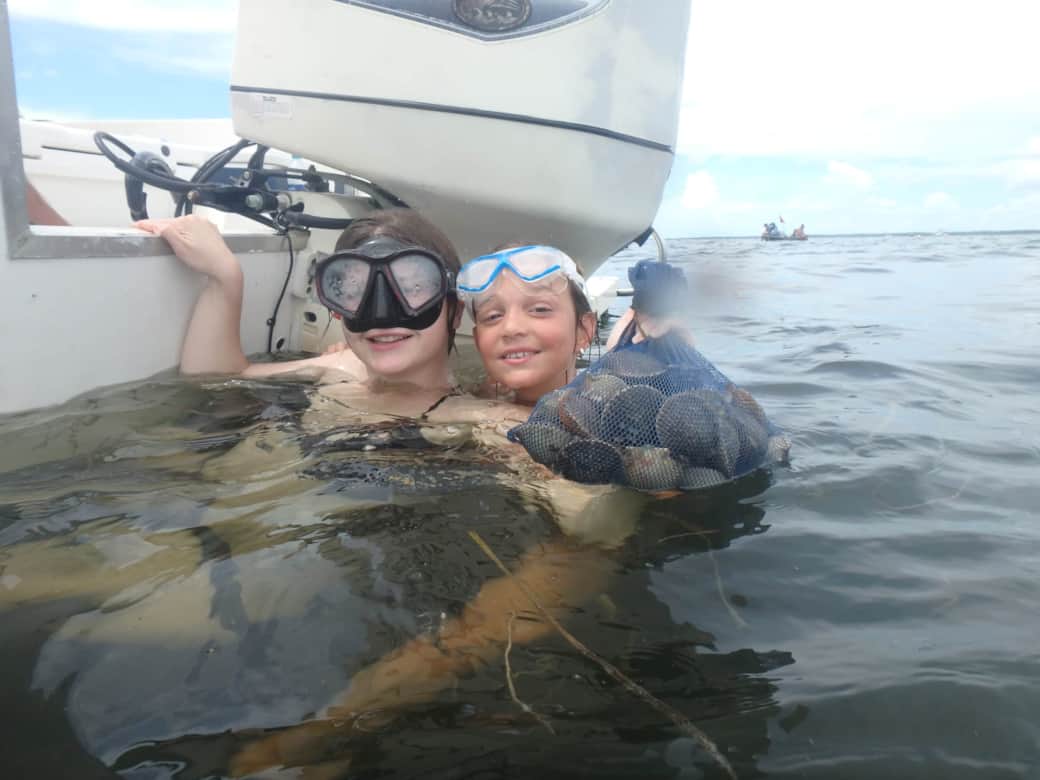
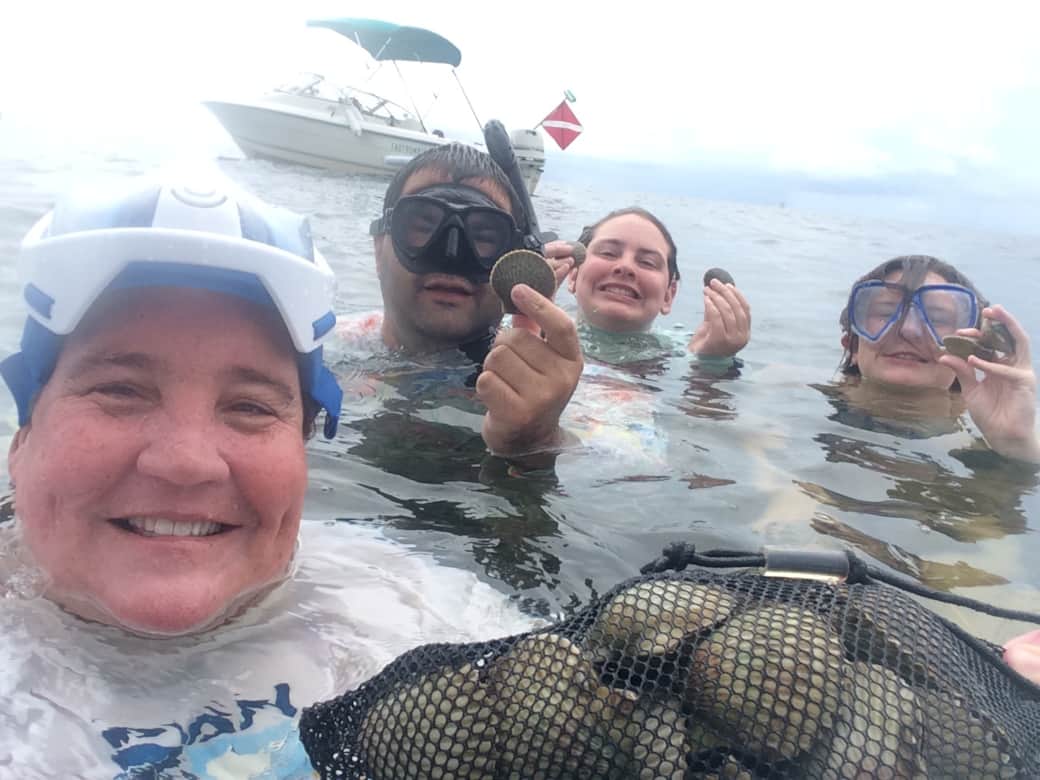
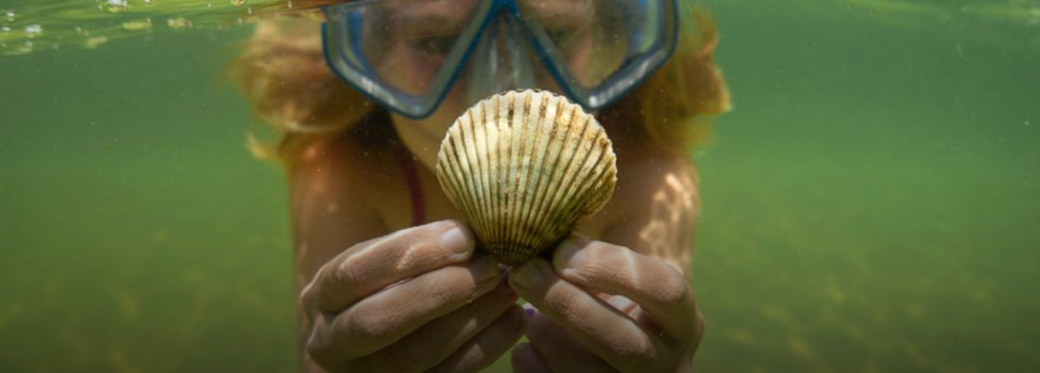
Bay scallops live in the shallow seagrass beds of St. Joseph Bay. Wearing nothing more than a mask, snorkel, and fins, you'll slowly swim over the grass until you spot the bright blue eyes of a scallop peeking from its shell. Scoop it up with your hand or a small dip net, place it in your mesh bag, and keep searching for more.
One thing that makes scalloping so much fun is that even the youngest kids can participate in the shallow waters of the bay. If you have a pup that likes to swim, you can bring him/her along too. If you are traveling with a family member that isn't thrilled about getting into the water? No worries! They can relax on the boat and enjoy a good book while the rest of the family is off hunting. Scalloping really is an entire family-friendly activity while visiting Cape San Blas
When is the 2026 Scallop Season?
The 2026 St. Joseph Bay scallop season runs from August 17 – September 24, 2026
Because dates and regulations can occasionally change, it's always a good idea to verify the current information with the Florida Fish and Wildlife Conservation Commission (FWC) before your trip.
Do I Need a Fishing License?
All scallopers over the age of 16 will need a Florida saltwater fishing license before harvesting scallops. Licenses can be easily obtained by visiting the Go Outdoors Florida website
Current Bag Limits
A "Bag Limit" is the quantity of scallops that each individual or boat is allowed to harvest per day.
The current recreational limits are:
- Per person: 2 gallons of whole scallops (in the shell) OR 1 pint of scallop meat
- Per vessel: 10 gallons of whole scallops OR ½ gallon of scallop meat
Always verify current regulations with the Florida Fish and Wildlife Conservation Commission (FWC) before harvesting, as limits may change.
Gear and What to Wear
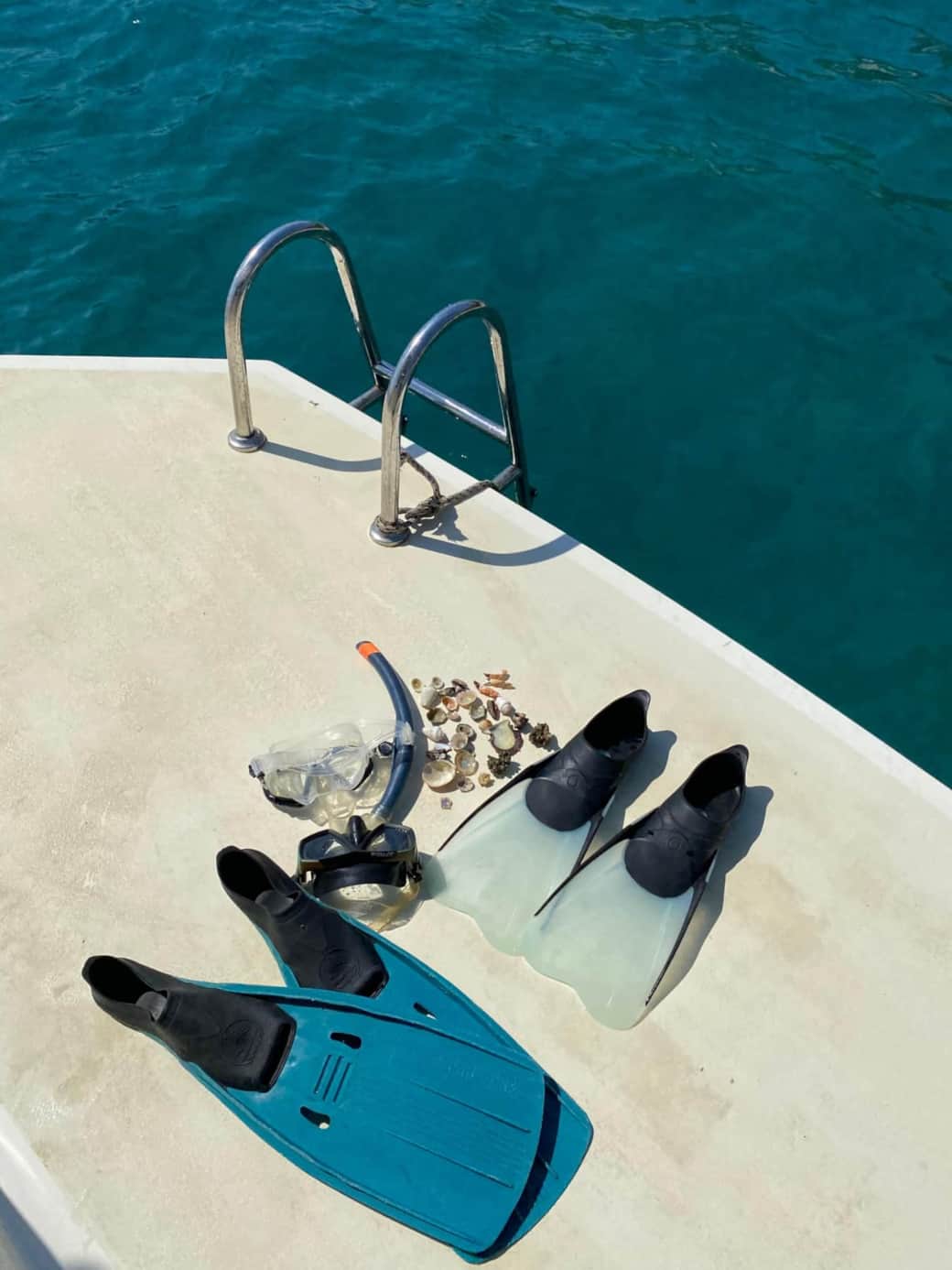
One of the best things about St. Joseph Bay scalloping is that you don't need a lot of fancy gear. Most of the equipment is inexpensive, and if you forget something, don't worry—it's easy to find locally.
Here's what I recommend bringing:
- Mask
- Snorkel
- A dip net
- Fins (highly recommended)
- Mesh collection bag
- Dive flag (required whenever divers are in the water)
- Life jackets
- Plenty of Reef-safe sunscreen
- Lots of drinking water
- Cooler with ice for your catch
- Lunch and snacks
- A rash guard or a sun shirt
- A hat
- Polarized sunglasses for spotting grass flats
- Water shoes
- Dry clothes for the ride home
- Towels
- A waterproof case for your phone so you can take lots of cool underwater photos
If you arrived at the Cape without some of these items, you can still enjoy a day on the water. If you are spending the day with a local charter, they will supply the snorkeling equipment. If you are heading out on your own, you can visit Scallop Cove or BlueWater Outfitters for the gear you need.
Boat Rental Options
Many guests prefer renting a pontoon boat for the day. It gives you the freedom to explore St. Joseph Bay at your own pace and visit some of the area's best scalloping flats.
Here are a few local boat rental options:
- Buena Vida Boat Rentals
- Cape San Blas Pontoon Rentals
- Scallop Cove Too (located near T.H. Stone Memorial St. Joseph Peninsula State Park)
If you've traveled to the Cape with your own boat, you can launch at these nearby public boat ramps. Get there early! Parking lots and the State Park often reach capacity early during scalloping season.
Prefer Someone Else to Drive?
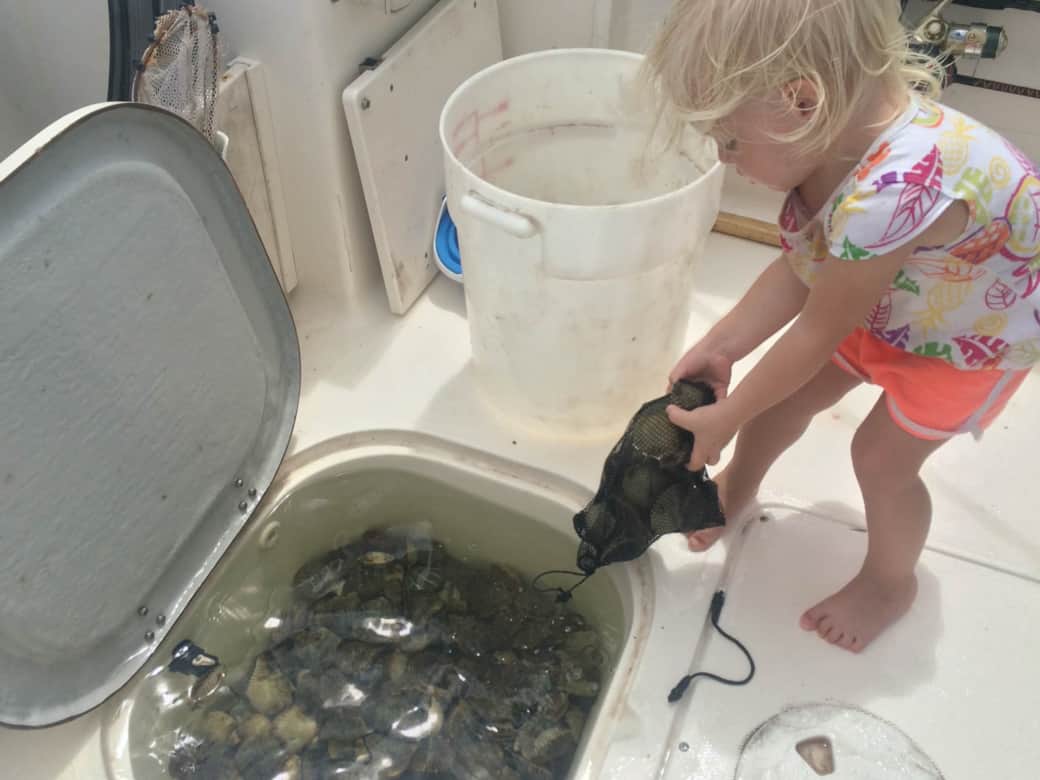
If this is your first time scalloping, a local charter can make the day even easier. Local captains know the water, where it is least crowded, and can provide you with the equipment you'll need. Local guides also know where scallops are most plentiful and can help first-time scallopers feel comfortable on the water. All you have to do is show up at the dock on time and enjoy the day.
Here are a few local charters I recommend:
If scalloping isn't your thing, these outfitters also offer
- Snorkeling excursions
- Dolphin cruises
- Sunset cruises
- Private boat tours of the bay
- Adventures to the tip of the Cape
How Do I Cook Scallops?
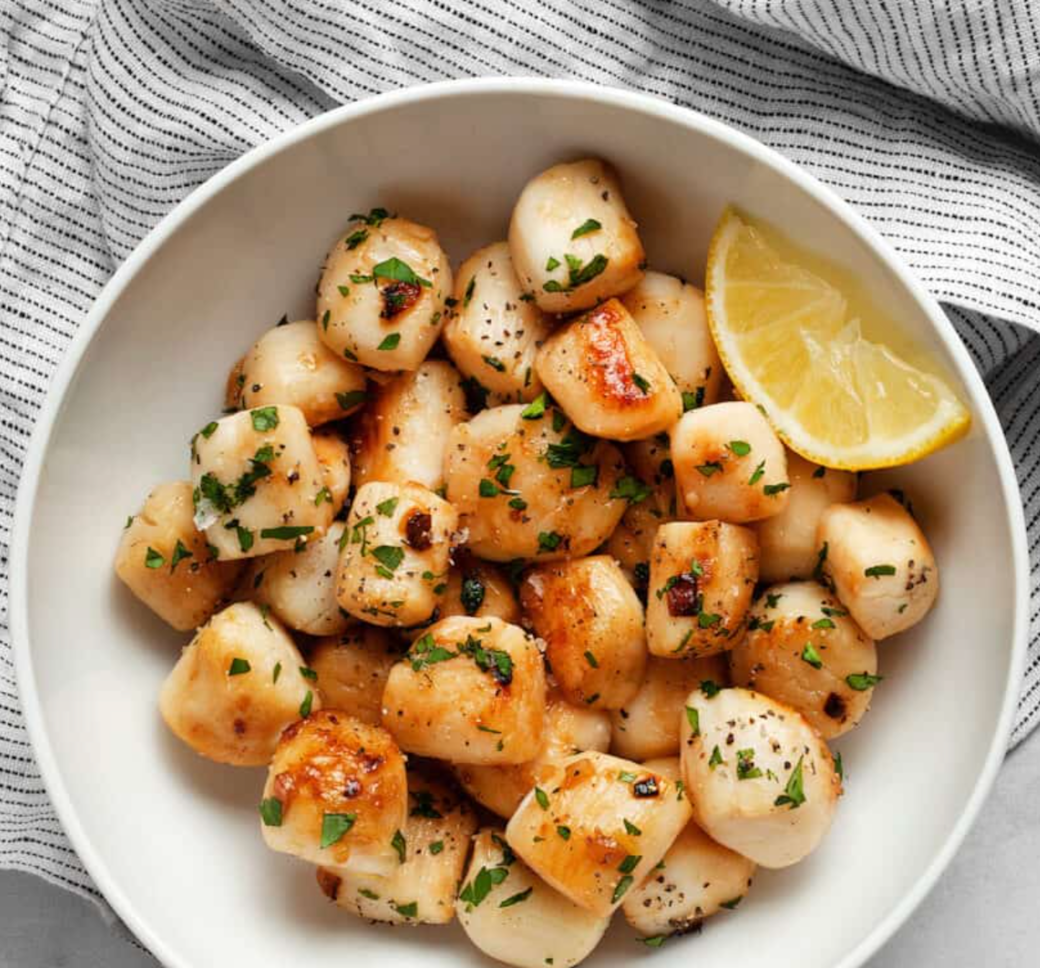
Visitors most often take their scallops back to the house in the shell and clean them at the outdoor fish-cleaning station. Each of our homes includes a fish-cleaning station and sink outside to make this process super easy and to keep the kitchen free of mess and the scallop smell.
Fresh bay scallops are small but delicious. They are often enjoyed sautéed in butter, grilled on skewers, tossed into pasta, or lightly fried.
After a successful day on the water, here are a few of our favorite ways to enjoy fresh bay scallops:
Tips for First-Time Scallopers
1. Get on the water early.
Morning usually offers calmer water, fewer afternoon thunderstorms, and better visibility. Parking lots at the boat launches and the State Park often reach capacity early in the day during scalloping season.
2. Take your time.
Scallops blend into the seagrass surprisingly well. Once your eyes adjust, you'll start spotting them everywhere.
3. Watch for wildlife.
One of the best parts of scalloping isn't just the scallops. Keep an eye out for dolphins, sea turtles, rays, horseshoe crabs, and countless colorful fish swimming through the grass flats.
4. Respect the seagrass.
The seagrass beds are what make St. Joseph Bay so special. Idle slowly in shallow water, avoid running your prop through the grass, and leave the area just as beautiful as you found it. Always Leave No Trace.
5. Stay within 300 feet of the Dive Warning Flag
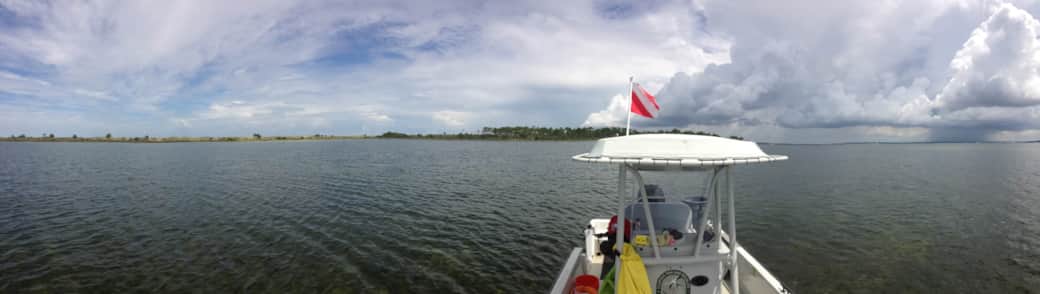
Always display a Divers Down Warning Flag before anyone enters the water. A Divers Down Warning Flag must be in the water and displayed at the highest part of the boat. Any boats traveling in congested areas must travel at idle speed. Always be respectful and aware of other boats and swimmers in the water.
6. Have one person stay aboard the boat
It's good to take breaks out of the water from time to time. It's also good for one person to keep an eye on swimmers to make sure they aren't venturing too far from the boat. It's so easy to switch off "scallopers" and "watchers" from time to time. It will give scallopers a moment to rest and keep everyone in the water safe and accounted for.
7. Always check the weather
Summer storms can pop up quickly. Always be sure to check the weather before heading out on the water and to keep an eye on those clouds. Ending the day a little early and heading back to shore before the storms hit is always the best decision.
8. Sunscreen, sunscreen, and sunscreen
9. Bring plenty of ice
Fresh scallops taste best when they're kept cold. Pack a cooler with plenty of ice before heading out so you can keep your catch chilled until you're back at the house and ready to clean them.
10. Make it about the adventure, not the limit. ⭐
Some days you'll find plenty of scallops, and other days you'll spend more time watching dolphins, sea turtles, rays, and colorful fish than filling your mesh bag. Either way, you've spent the day exploring one of Florida's most beautiful bays—and that's what makes scalloping so memorable.
Why We Love Scallop Season
For me, scalloping has never really been about bringing home dinner. It's more about slowing down and spending the day together. I love it when the kids are excitedly yelling every time they find another scallop while grandparents float nearby. It's always so special when we spot a dolphin as we cruise back across the bay after a fun day with salty hair, tired smiles, and a cooler full of memories. Those are the moments families remember long after vacation ends.
Staying During Scallop Season
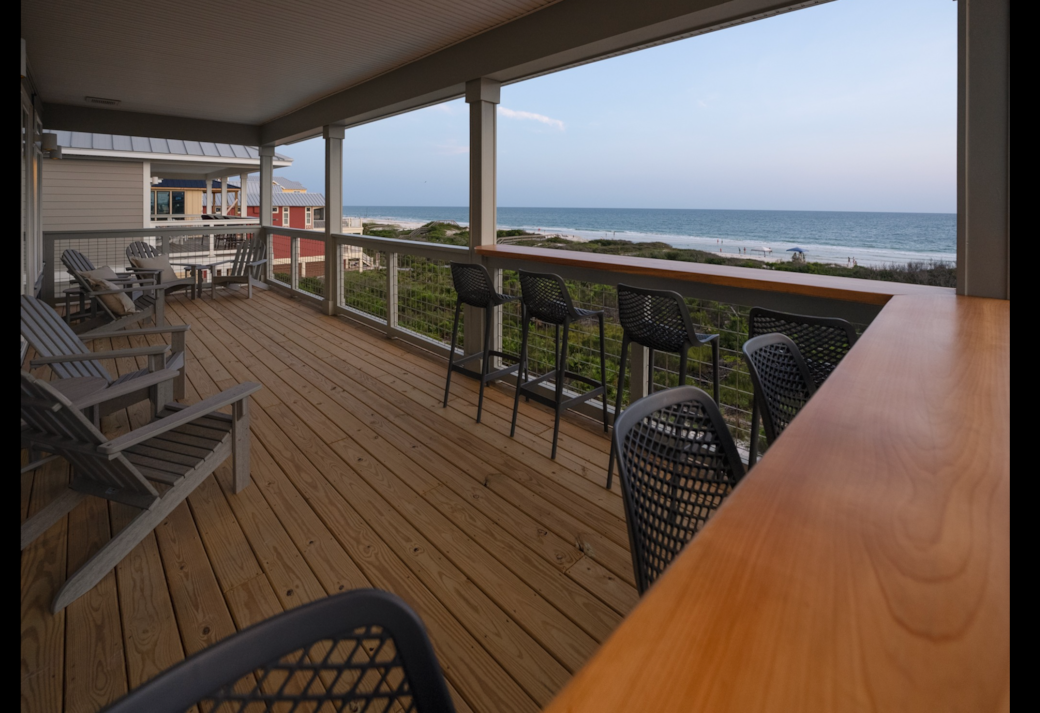
After a day on the bay, there's nothing better than rinsing off, cleaning your fresh scallops at the outdoor fish-cleaning station, firing up the grill, and watching the sun set over Cape San Blas. That's exactly the kind of vacation our homes were designed for.
Explore our homes:
- Beach Camp - 5 bedrooms, private pool, elevator, 14 guests, dog friendly
- Good Fortune - 6 bedrooms, private pool, elevator, 16 guests, dog friendly
- Sweet Necessity - 6 bedrooms, private pool, elevator, 16 guests, dog friendly
Planning Your Cape San Blas Vacation?
If you're visiting during scallop season, you may also enjoy reading about:
Before You Head Out
Weather, harvest dates, license requirements, and regulations can change. Before your trip, always check the latest information from the Florida Fish and Wildlife Conservation Commission (FWC) and Gulf County's Tourism website. Both are great sources of current information about scalloping in Gulf County.
Have fun!!!
~ Carrie
Photos shared with permission from the Florida Fish and Wildlife Conservation Commission (FWC) and Gulf County's Tourism.